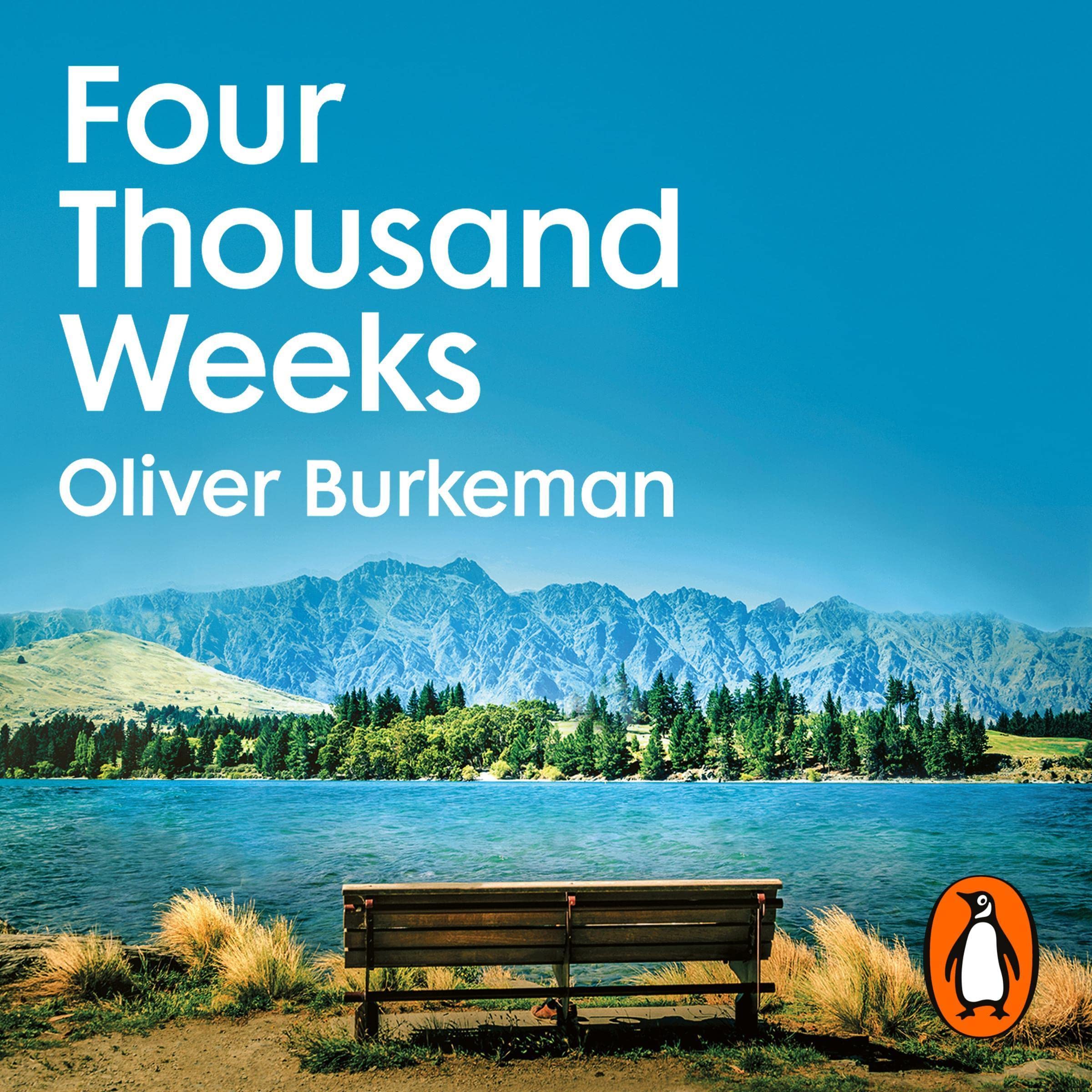
Four Thousand Weeks Review: The Productivity Book That Tells You to Stop Pretending
A sharper time-management book for people tired of fake productivity and endless to-do lists.
Shortlistd Editorial
Editor

Four Thousand Weeks Review: The Productivity Book That Tells You to Stop Pretending
By Editorial Team | April 2026
You do not need another productivity system that promises to fix your life with better task management. You need something more honest: a way to stop treating your time like a problem you can finally solve. That is why Four Thousand Weeks wins — it replaces fake control with a harder, more useful idea: you have limits, so choose properly.
Our pick: Four Thousand Weeks: Time Management for Mortals
Four Thousand Weeks: Time Management for Mortals — £14.87
Oliver Burkeman’s book is the rare productivity title that actually makes overwork feel less clever. With a score of 8.2/10, it is less interested in squeezing more into your day than in changing how you think about work, attention, and regret. For busy professionals who are tired of being told to optimise everything, that is the point.
Why it works:
- It tackles the real problem: the anxiety that comes from acting as if you should be able to do everything.
- Its 288-page length is enough to make the argument properly without turning into a slog.
- The blend of time management, self-help, and philosophy gives it more staying power than a book full of hacks.
The honest trade-off: If you want templates, checklists, or a Monday-morning system, this is the wrong book.
Buy it here if you want a calmer, smarter way to decide what matters.
Best upgrade: Atomic Habits
Atomic Habits — around £9–£12
If Four Thousand Weeks changes your philosophy, Atomic Habits changes your behaviour. It is the better buy when you want a more practical, repeatable framework for building routines and actually sticking to them. The trade-off is that it is less reflective and less challenging — but it is also easier to act on immediately.
Worth it if: you want a more hands-on habit book with clear, usable tactics instead of a bigger argument about how to live.
Best budget pick: Deep Work
Deep Work — around £8–£10
Cal Newport’s Deep Work is the cheaper, more focused option if your real problem is distraction rather than meaning. It is useful when you want a direct case for protecting attention and doing fewer things better. It does not have the same philosophical bite as Burkeman’s book, but it gets to work faster.
Worth it if: you want a low-cost productivity read that is more practical than profound.
How we chose
We judged these books on one thing: whether they help a real working adult make better decisions about time. That means usefulness, clarity, and honesty beat clever theory every time. We also checked current availability and used widely recognised alternatives that are still easy to buy.
Frequently asked questions
Is Four Thousand Weeks practical enough to be useful? Yes, but not in the usual productivity-book way. It is practical at the level of priorities and perspective, not project plans and templates.
Is it worth the price? At £14.87, it is fair value if you want a book that changes how you think rather than just how you schedule.
Will it help with day-to-day organisation? Not directly; its strength is in making you more selective, not more systematised.
Products in this article