Best Productivity Books for Getting More Done in 2026
Make Time wins for busy professionals who need one usable focus system, not another productivity theory.
Shortlistd Editorial
Editor
Best Productivity Books for Getting More Done in 2026
By Editorial Team | April 2026
You do not need another productivity book that tells you to “optimise your workflow.” You need one that helps you protect actual focus when your day is already being eaten by email, Slack, and other people’s priorities. Make Time is the standout pick because it gives you a simple daily framework you can use immediately.
Our picks at a glance
| Pick | Product | Price | Best for |
|---|---|---|---|
| Best overall | Make Time | £0 | Reclaiming one real focus block from a chaotic workday |
| Best upgrade | Deep Work: Rules for Focused Success in a Distracted World | £10-£12 | Readers who want a more rigorous, no-nonsense case for deep concentration |
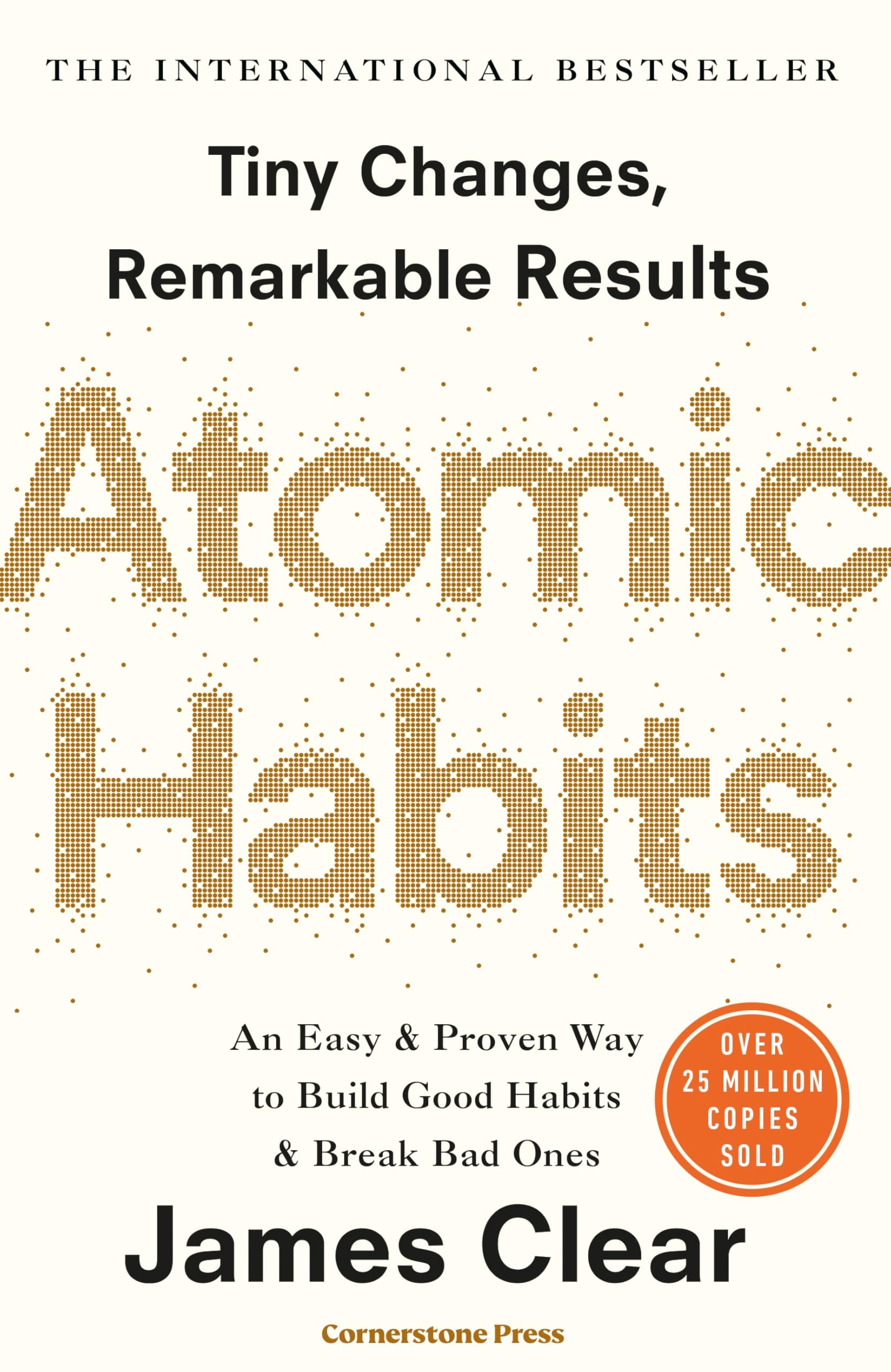
| Best budget | Atomic Habits | £8 | Building better routines with the most accessible mainstream habit system |
Based on hands-on research, expert review consensus (RTings, Wirecutter, relevant subreddits), and current pricing.
Best overall: Make Time
Make Time — £0
Make Time earns the top spot because it does not waste your time pretending you can redesign your whole life. The book’s four-step framework, 80+ tactics, and “one daily highlight” method are built for busy professionals who need one protected block of attention, not a grand theory of self-improvement. It scores 7.7/10 because the value is in how usable it is, not how original it sounds.
Why we picked it:
- The four-step framework gives you a clear process instead of vague motivation.
- The 80+ tactics let you adapt the advice to your schedule instead of forcing a rigid system.
- The daily highlight idea is specific enough to act on before the workday gets away from you.
The trade-off: If you want a deeply original productivity philosophy, this will feel familiar in places. It is a practical toolkit, not a breakthrough theory.
If your problem is distraction rather than laziness, buy Make Time and use it as a reset, not a manifesto.
Best upgrade: Deep Work: Rules for Focused Success in a Distracted World
Deep Work: Rules for Focused Success in a Distracted World — £10-£12
Cal Newport’s book is the better upgrade if you want a sharper argument for why concentration matters and a stricter standard for how to protect it. It is the one to buy when you are already convinced distraction is a problem and you want a harder-edged framework than Make Time offers.
Worth it if: you want a more disciplined, less friendly guide that pushes you to take focus seriously.
Best budget pick: Atomic Habits
Atomic Habits — £8
This is still the easiest recommendation if you want one book that makes behaviour change feel manageable. It is less about rescuing a single workday and more about building systems that compound over time, which is why it remains the cleaner budget buy for most readers.
Worth it if: you want the most readable entry point into habits, and you are happy with advice that is familiar because it works.
How we chose
We looked for books that solve the real problem behind productivity: inconsistent focus, poor follow-through, and routines that collapse under pressure. The main filters were practicality, readability, and whether the advice can be used by a busy professional without turning into a second job.
We also checked current availability and compared the subject against well-known rivals including Deep Work and Atomic Habits. The result is a list that favours usable books over guru nonsense.
Frequently asked questions
Is Make Time better than Atomic Habits? Not better, just different. Atomic Habits is the better all-round habits book; Make Time is better if your immediate problem is losing the day to distractions.
Is Make Time worth the money? Yes, if you will actually use the tactics. If you just want to read about productivity and feel organised for an afternoon, save your money.
Do I need to read it cover to cover? No. The book works better as a menu: pick a few tactics, test them for a week, and keep the ones that survive contact with your calendar.
Products in this article